

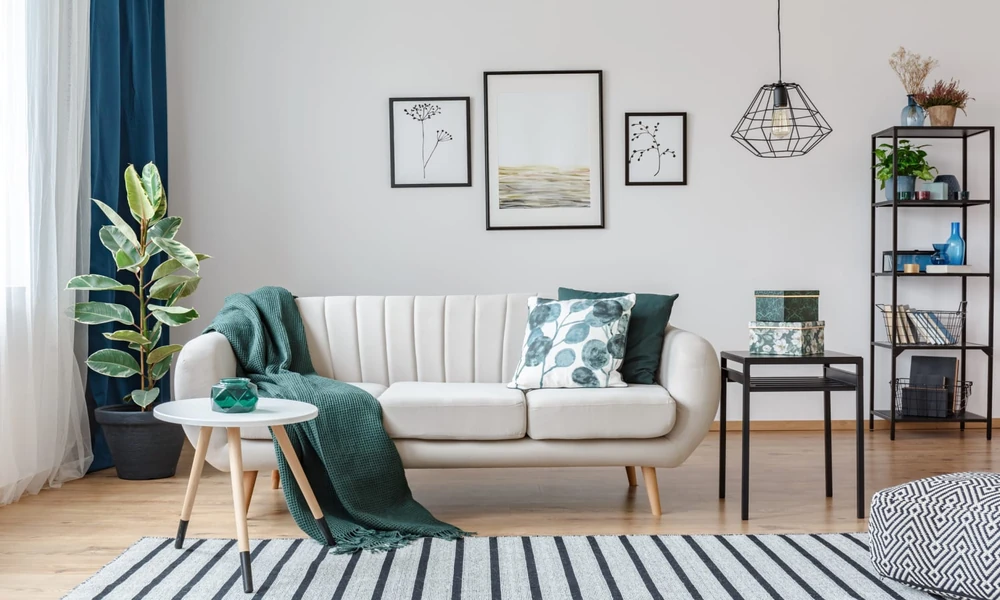
Modern apartment design is no longer simply about polished countertops, fashionable lighting, or an attractive lobby. The best apartments are being designed around how people actually live: working from home, entertaining friends, managing limited space, controlling energy costs, and looking for a home that remains comfortable as their needs change. Whether you are comparing apartments in Springville Utah or considering an apartment elsewhere, look beyond the finishes and pay attention to the design decisions that will affect your everyday experience.
Flexible Floor Plans That Adapt to Your Routine
A modern apartment should not force you to dedicate every square foot to one specific purpose. Flexible layouts are increasingly important as people use their homes for more than sleeping and relaxing. A dining area may double as a workspace, while a spare bedroom might function as a home office, guest room, or hobby space.
Look for apartments with sensible proportions, minimal wasted hallway space, and areas that can accommodate different furniture arrangements. Built-in desks, sliding partitions, movable furniture, and strategically positioned electrical outlets can make a significant difference.
Large Windows and Thoughtful Natural Light
Natural light can completely change how an apartment feels. Rather than judging a unit only by its floor area, consider how daylight moves through it during the day. Large, well-positioned windows can make rooms appear more spacious while reducing dependence on artificial lighting during daylight hours. The orientation of the apartment matters, too. A beautifully designed unit with limited window exposure may feel darker than a smaller apartment with excellent daylight penetration.
Also look at what the windows overlook. A good modern design does more than bring sunlight indoors; it can frame outdoor views and create a stronger connection with the surrounding environment.
Integrated Storage Instead of Added Clutter
One of the easiest ways for an apartment to feel cramped is inadequate storage. Modern design increasingly addresses this problem by incorporating storage into the architecture rather than relying entirely on freestanding cabinets and furniture.
Look for full-height wardrobes, kitchen cabinetry that uses vertical space, built-in shelving, entryway storage, and bathroom vanities with useful internal capacity. Even details such as a recessed niche for toiletries or a dedicated space for cleaning equipment can make everyday life easier.
Integrated storage also supports the clean aesthetic associated with modern apartments because possessions can be organized without taking over the living areas. This is especially useful in compact homes, where conventional furniture can quickly consume valuable floor space.
Energy-Efficient Design and Fixtures
A modern apartment should be designed with operating costs in mind, not just appearance. Energy-efficient windows, LED lighting, efficient appliances, good insulation, and climate-responsive design can improve comfort while reducing unnecessary energy consumption.
When viewing an apartment, ask about window glazing, appliance efficiency, lighting systems, and heating or cooling controls. Even seemingly small choices can affect long-term utility expenses.
Energy efficiency is increasingly being treated as part of good residential design rather than an optional environmental upgrade. Current apartment guidance highlights efficient windows, insulation, lighting, appliances, and smart controls as practical ways to improve both comfort and energy performance.
Final Thoughts
The most appealing modern apartment is not necessarily the one with the flashiest finishes. It is the one where design quietly makes everyday life easier. Flexible spaces accommodate changing routines, generous daylight improves the atmosphere, integrated storage keeps clutter under control, efficient systems help manage running costs, and smart technology adds convenience without becoming intrusive.
When comparing apartments, evaluate these underlying design features alongside location, price, and amenities. They are the elements you will interact with every day-and they can make the difference between an apartment that merely looks modern and one that genuinely supports modern living.
