

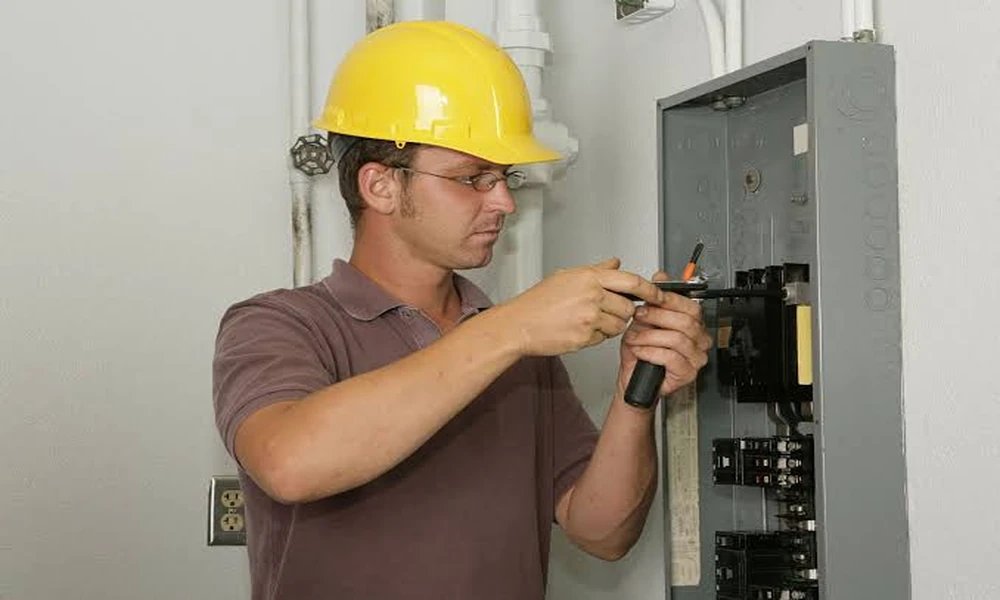
Every house carries the electrical code of the year it was built. The wire inside the walls, the number of circuits, the size of the panel and the safety devices at each outlet all reflect what builders considered normal at the time. Glendale is a useful place to see this, because its neighborhoods span more than a century, from historic bungalows near downtown to master planned communities along the Loop 101.
That range explains why two homes on the same street can need very different work. Family owned providers of electrical services in Glendale often start a service call by asking not “what is broken” but “when was this house wired.” The answer narrows down the likely weak points before anyone opens a single box.
Below is a decade by decade look at what Glendale homes tend to hide, and which upgrades usually come first for each era.
Before 1950: Historic Homes Near the Old Downtown
The oldest homes around the Catlin Court area and central Glendale were often wired with knob and tube systems. Individual wires ran through ceramic knobs and tubes, insulated with rubber and cloth that becomes brittle with age.
Knob and tube was not unsafe when new. The problems come later. It has no ground wire. It was designed to release heat into open air, so attic insulation packed around it can cause overheating. And after decades of remodels, many of these circuits have been spliced into by previous owners in ways no inspector ever saw.
Homes from this era usually also started with fuse boxes and very small service, sometimes 30 or 60 amps. Many have since been partially updated, which creates its own puzzle: modern breakers upstairs, original wire still feeding a back bedroom.
Typical first priority: a full assessment to map what original wiring remains, followed by staged rewiring.
1950s to Early 1960s: The Postwar Boom
Glendale grew quickly after World War II, and homes from this period are common across the city’s central and southern neighborhoods. Wiring improved, with plastic sheathed cable replacing knob and tube, but early versions often lacked a ground conductor.
The giveaway is the two prong outlet. Swapping it for a three prong outlet without adding a ground is a common shortcut that creates a false sense of safety. A properly installed GFCI outlet is an accepted fix in many cases, but it should be labeled correctly so future owners understand the circuit is ungrounded.
Panels from this era were also sized for a household with a refrigerator, a few lamps and perhaps a window cooler. Central air conditioning alone can push them past their comfortable limit.
Typical first priority: grounding solutions and a service capacity check.
Mid 1960s to Early 1970s: The Aluminum Window
During a short span, copper prices rose and many builders switched to aluminum branch circuit wiring. Aluminum expands and contracts more than copper and oxidizes at connection points, which can lead to loose, overheating terminals at outlets and switches.
Research summarized by the U.S. Consumer Product Safety Commission in its guide to repairing aluminum wiring explains why these connections fail and which repair methods it considers permanent. One important takeaway: failing aluminum connections often give little warning, so homeowners in houses from this window should not wait for symptoms.
Some panel brands installed between the 1950s and 1980s have also faced long running questions about whether their breakers trip reliably. A licensed electrician can identify the brand and condition in a few minutes.
Typical first priority: confirming the wire type, then pigtailing or replacing aluminum connections with approved methods.
1980s and 1990s: North Glendale Takes Shape
Large parts of north Glendale, including communities around Arrowhead Ranch, were built in these decades. Copper wiring, grounded circuits and 100 to 200 amp service are the norm, so these homes rarely have dramatic problems.
Their issues are quieter. Ground fault protection was required in fewer locations than today, so some kitchens, garages and exterior outlets lack it. Arc fault breakers, which detect the kind of sparking that starts wire fires, did not appear in code until the very end of this period. And the original panels are now 30 to 45 years old, many mounted on sun baked exterior walls that accelerate wear.
Builder grade outlets from this era often used “backstab” connections, where wires push into holes in the back of the device rather than wrapping around screws. These loosen over time and are a frequent cause of dead outlets and warm cover plates.
Typical first priority: adding GFCI and AFCI protection where it is missing and evaluating panel condition.
2000s to Today: Modern Wiring, Modern Loads
Homes near Westgate and the newer western edges of the city were built under codes that include arc fault protection, tamper resistant outlets and more dedicated circuits. The wiring itself is usually in good shape.
The pressure on these homes comes from what owners add. EV chargers, rooftop solar, battery storage, pool equipment with variable speed pumps and home offices full of electronics all compete for panel space. Solar in particular has strict rules about how much backfed power a panel can accept, which sometimes forces a panel upgrade even in a fairly young house.
Typical first priority: a load calculation before adding any major new equipment.
Finding Your Home’s Era and Choosing Who Works on It
The build year is easy to confirm. The Maricopa County Assessor’s parcel records list it for every property, and the original panel label often shows a manufacture date as well. Remodels complicate the picture, so treat the year as a starting point rather than a diagnosis.
Whatever the era, electrical work in Arizona carries licensing rules that apply even to small jobs. The Arizona Registrar of Contractors explains in its overview of who needs a contractor license in Arizona that calling oneself a handyman does not exempt a person from those requirements, and it encourages homeowners to verify a license before signing anything. City permits add another layer of protection, since a permitted job gets an independent inspection.
A house built in 1958 and a house built in 2008 can sit a mile apart and need completely different attention. Knowing which story your walls are telling makes every conversation with an electrician shorter, clearer and far more likely to fix the real problem the first time.
