

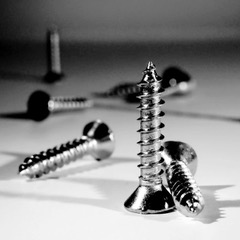
Selecting proper fastening hardware reliably prevents expensive timber from splitting during the final construction phases. Builders require precise thread engagement to maintain necessary structural integrity over time. Weak joints ultimately lead to disastrous structural collapses unexpectedly.
Choosing correct hardware demands extremely careful evaluation of the surrounding environment and specific load requirements. A rushed decision frequently guarantees split timber alongside costly material waste. Professionals always thoroughly evaluate wood screws before starting their work.
Choosing The Right Wood Screws for Structural Stability
Every project demands alignment between material density, load expectation, and screw design. Thoughtful selection of wood screws reduces failure risks and ensures consistent fastening performance across different wood types and conditions.
- Match screw length with material thickness to ensure proper grip without over penetration
- Select thread type based on hardwood or softwood to prevent splitting
- Consider corrosion resistance when working in outdoor or humid environments
- Use appropriate head styles for structural or finishing purposes
- Evaluate coating quality to maintain long term strength and appearance
Common Wood Screws Buying Mistakes That Cost Time and Money
Even experienced professionals repeat small oversights that weaken results. Each mistake compounds over time and affects both safety and finish quality in subtle but important ways.
- Ignoring pilot holes in dense wood leads to cracks and uneven seating
- Choosing incorrect drive types increases slipping and damages the screw head
- Over tightening reduces holding strength and stresses surrounding material
- Using indoor grade screws for outdoor projects causes early corrosion
- Overlooking load requirements results in premature joint failure
Wood Screws for Severe Weather Conditions Outdoors
Selecting heavily specialised fastening hardware ensures your exterior decking endures severe weather conditions without rusting. Always utilise premium galvanised options for maximum protection. Such options provide a formidable protective barrier against continuous moisture exposure effectively. You must consistently prioritise long-term durability over initial upfront cost savings.
Conclusion
Applying correct techniques guarantees maximum stability for your wooden frameworks. Never compromise on material quality regarding reliable wood screws. Your dedicated craftsmanship deserves the absolute best hardware available. Selecting the appropriate fastener reliably prevents catastrophic structural failures. Always carefully evaluate thread depth and protective coatings before beginning work. Taking these essential precautions protects your valuable timber investments entirely and permanently.
