

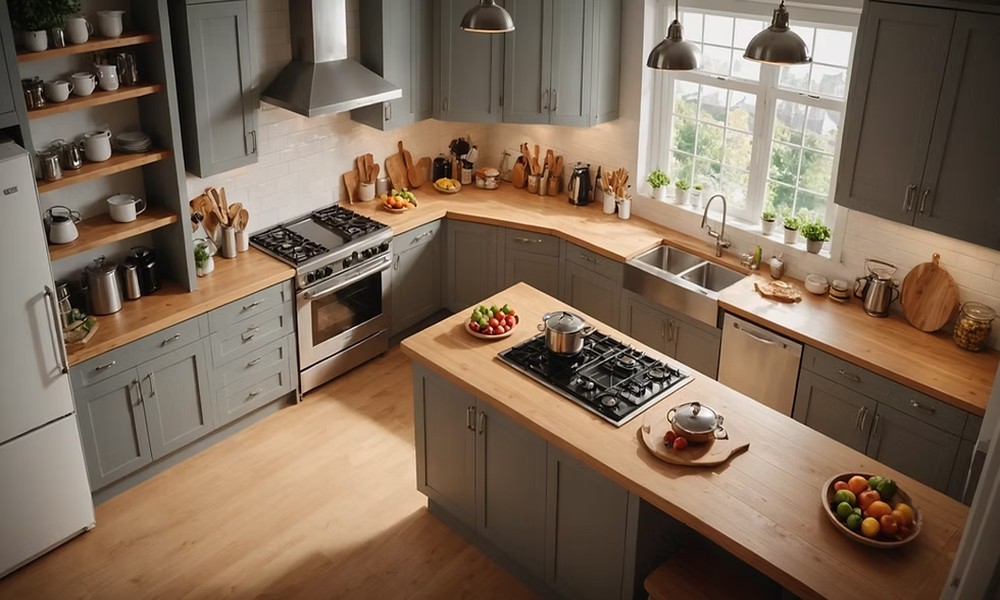
Step into a kitchen that actually makes cooking easier and more enjoyable, and it is immediately clear: there is more to good design than glossy finishes or trending appliances. The best kitchens are not just beautiful, but thoughtfully engineered for how people really move, reach, and live every day. What separates a functional, ergonomic kitchen from one that frustrates or fatigues its users?
Why Many Kitchens Fail in Functionality and Ergonomics
Some kitchens look impressive on paper but quickly reveal their weaknesses in practice. Oversized islands that block the flow of activity, cabinets so high or deep they become dead space, and awkwardly placed appliances can all sabotage daily routines. Sometimes, the focus on aesthetics leads to choices that hinder rather than help. Rigid layouts, lack of storage, and poor lighting are just a few of the common offenders.
When ergonomics are sacrificed, fatigue creeps in. Reaching for heavy pans overhead, stooping to find rarely used gadgets in dark corners, or constantly circling the kitchen to gather ingredients make even simple meals feel like a marathon. Over time, minor annoyances compound into real frustration, dampening the kitchen’s potential as the heart of the home.
Foundations of Truly Functional Kitchen Spaces
Ergonomics in a kitchen is about much more than just comfort. It is an approach that considers how people of different ages, heights, and abilities use and move through the space. In practice, this means designing at “human scale”: countertops at the right height, shelves within easy reach, and pathways wide enough for maneuvering but compact enough to minimize wasted steps.
A truly functional kitchen also relies on high-quality, durable materials. Countertops that shrug off stains, cabinets that close softly and reliably, and flooring that stands up to years of foot traffic are essential. Yet practicality must be balanced with style, allowing the space to reflect the personality of its users while standing the test of time.
Custom solutions provide the final piece. No two households are identical, so design must be flexible. A family that bakes together will have different needs than an avid entertainer or a minimalist cook. Custom cabinetry, tailored storage, and adaptable layouts all come into play.
Core Features That Enhance Kitchen Usability
The work triangle (sink, stove, refrigerator) remains a gold standard for efficient kitchen workflow, minimizing unnecessary movement. But modern spaces often take this further, incorporating multiple zones for prep, cooking, and cleanup, especially in open-concept layouts.
Smart storage is another hallmark. Pull-out pantry shelves, deep drawers with organizers, and vertical dividers for trays make every inch count. Accessibility is key: heavy items need to be stored at waist height, while frequently used utensils and spices should be within arm’s reach.
Countertops deserve particular attention. The right height supports comfortable chopping; the right depth allows for appliances without crowding. Material choices, like quartz, solid surface, or butcher block, affect not just durability, but maintenance and feel.
Technology can quietly boost functionality, too. Integrated charging stations, touchless faucets, and smart ovens contribute convenience without cluttering the design.
Designing for Human Scale and Movement
When kitchens are designed for real people rather than abstract plans, the difference is tangible. Consider reach: upper cabinets that extend to the ceiling might look expansive, but how often do most cooks actually use those top shelves? Lowering wall cabinets or including pull-down mechanisms can make all the difference.
Inclusive design means thinking of everyone, a countertop that suits both tall and petite cooks, wide walkways for accessibility, and handles or pulls that are easy to grip for every age and ability. Lighting matters, too. Layering task lights with ambient lighting reduces eye strain and helps keep the kitchen a safe, pleasant environment. Good ventilation is just as vital, whisking away smoke and odors to keep the space fresh and comfortable.
Crafting a Kitchen That Grows with Time
Material choices directly impact longevity and ease of upkeep. Non-porous surfaces, durable finishes, and hardware that resists wear keep a kitchen looking and performing its best for years. Flexibility also means planning for the long term, movable islands, adjustable shelving, and modular components accommodate changing needs.
Perhaps most critically, partnering with experienced professionals brings vision to reality. Collaborative design processes, such as those offered by Askal Intérieurs services, ensure that your kitchen is crafted not just to current trends, but to your unique rhythm of life. Their human-centered approach, structured methodology, and attention to lasting quality set the stage for kitchens that excel today and tomorrow.
From Vision to Reality: Steps to Creating Your Functional and Ergonomic Kitchen
Every successful project starts with a clear assessment of your lifestyle and needs. Consider how you cook, who uses the kitchen, and what frustrations you want to solve. Then, seek out professionals whose expertise aligns with your vision. Look for transparency in materials selection, a collaborative spirit, and a clear, communicative process for managing timelines and expectations.
During the renovation journey, details matter. From the placement of outlets to the choice of cabinet handles, every decision can nudge the space closer to effortless usability. The final touches, like custom organizers, under-cabinet lighting, or even a carefully chosen backsplash, elevate the practical into the exceptional.
Taking Action: Transform Your Kitchen Today
Preparing for a design consultation is the first step. Gather inspiration, note your must-haves and frustrations, and be ready to share how you use your kitchen day to day. Asking the right questions, about ergonomic principles, adaptability, and material durability, helps ensure a human-centered approach.
For those ready to upgrade or start fresh, resources like design checklists, ergonomic guidelines, and reputable professionals make the path smoother. The kitchen you imagine is closer than you think, ready to be transformed into a space where form, function, and comfort meet every time you step inside.
