

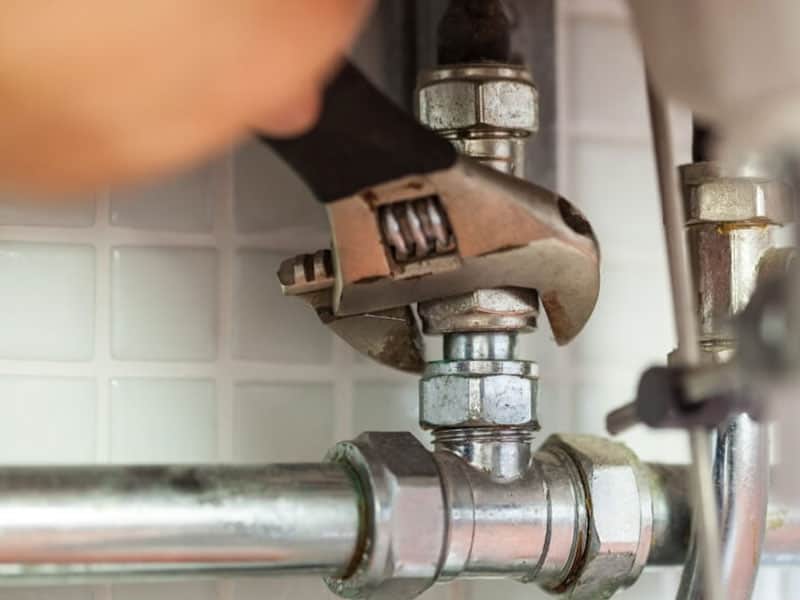
Eco-friendly plumbing installations focus on longevity and reduced maintenance requirements through careful material selection and efficient design principles. plumbing solutions that prioritize sustainability typically incorporate high-quality components designed to withstand years of operation without frequent repairs or replacements. These systems emphasize water conservation, energy efficiency, and durable materials that maintain performance while minimizing environmental impact.
Water-efficient fixtures
- Low-flow toilets, faucets, and showerheads reduce strain on plumbing systems while conserving water resources. These fixtures operate at optimal pressure levels that prevent excessive wear on internal components, extending their functional lifespan. The reduced water volume also decreases stress on pipes and joints, minimizing the likelihood of leaks or pressure-related damage over time.
- Modern water-efficient fixtures incorporate ceramic disc valves and corrosion-resistant materials that maintain consistent performance for decades. The precision engineering in these components reduces mineral buildup and mechanical wear that typically plague traditional fixtures. This enhanced durability translates to fewer replacement cycles and reduced maintenance interventions throughout the fixture’s operational life.
- Quality water-efficient fixtures often feature user-replaceable components, allowing homeowners to address minor issues without professional service calls. The modular design approach enables targeted repairs that extend overall fixture lifespan while maintaining optimal water conservation performance.
Durable pipe materials
- Copper, PEX, and high-grade PVC piping systems offer superior longevity compared to traditional materials. These modern piping options resist corrosion, mineral buildup, and temperature fluctuations that cause premature failure in older installations. The enhanced durability reduces the frequency of pipe replacements and associated maintenance costs over the system’s lifetime.
- Cross-linked polyethylene pipes provide flexibility that accommodates building movement and temperature changes without cracking or joint failure. This adaptability prevents stress-related damage that often requires expensive repairs in rigid piping systems. The material’s resistance to scaling and corrosion maintains consistent water flow for decades without intervention.
- Properly installed durable piping systems include expansion joints and appropriate support mechanisms that further extend operational life. These installation practices prevent stress concentrations that could lead to premature failure, ensuring the piping maintains integrity throughout its expected service life.
Preventive maintenance systems
Whole-house water filtration reduces mineral deposits and contaminants that cause premature wear in plumbing components. These systems protect fixtures, appliances, and piping from scale buildup that would otherwise require frequent cleaning or replacement. The filtered water environment extends component life while maintaining optimal system performance. Automatic leak detection systems identify potential problems before they develop into major failures requiring extensive repairs. These monitoring systems provide early warning of developing issues, enabling targeted maintenance that prevents costly emergencies. The proactive approach reduces overall maintenance requirements while protecting property from water damage.
Energy saving components
High-efficiency water heaters reduce operational stress through optimized heating cycles and improved insulation. These units maintain consistent temperatures with less frequent heating cycles, reducing thermal stress on internal components. The improved efficiency extends equipment life while reducing energy consumption and associated maintenance requirements. Insulated piping systems maintain water temperatures more effectively, reducing strain on heating equipment and minimizing energy waste. The thermal protection prevents condensation issues that could lead to corrosion or mold problems requiring remediation. This environmental control extends system life while maintaining optimal performance.
Sustainable plumbing installations deliver long-term value through reduced maintenance requirements and extended component life. These systems combine efficient operation with environmental responsibility, creating installations that serve households effectively while minimizing resource consumption. The investment in sustainable materials and installation practices pays dividends through reduced maintenance expenses and improved system reliability over many years of operation.
