

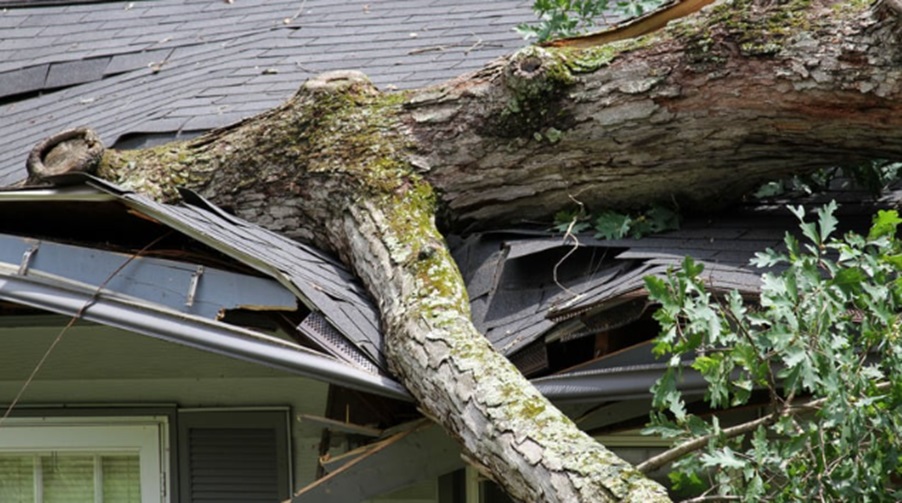
Modern storm damage assessment no longer relies solely on visual inspections and manual guesswork. Today’s restoration professionals are leveraging cutting-edge technology to accurately identify structural issues, prioritize repairs, and expedite insurance claims. For property owners exploring storm damage restoration in Canton, understanding how these tools work can significantly influence both the speed and success of their recovery.
Why Accurate Storm Damage Assessment Matters
Severe storms can compromise roofing systems, siding, gutters, and even foundational structures. Unfortunately, not all damage is immediately visible. Undetected leaks, subtle cracks, and wind-stressed materials can lead to long-term issues such as mold, wood rot, and insulation failure. Common signs of storm damage to your roof include missing shingles, dented flashing, water stains on ceilings, and granule buildup in gutters—each indicating the need for prompt inspection and repair.
Inadequate or delayed assessment often results in:
- Escalating repair costs
- Denied insurance claims
- Diminished structural integrity
- Safety hazards for occupants
Accurate damage assessment ensures targeted restoration, efficient resource allocation, and a smoother recovery process.
Aerial Drone Inspections: Precision from Above
Drones have revolutionized roof inspections. Instead of sending contractors onto slippery, damaged surfaces, high-resolution drone cameras capture detailed aerial imagery that identifies missing shingles, punctures, pooling water, and structural misalignments.
Benefits of drone-based assessments include:
- Enhanced safety for inspectors
- Access to hard-to-reach roof sections
- Faster data collection with high visual fidelity
- Evidence for insurance documentation
For clients seeking storm damage restoration, drone imaging often serves as the first step in both contractor evaluation and insurance claim validation.
Thermal Imaging for Hidden Moisture Detection
Thermal imaging cameras are instrumental in identifying hidden water intrusion behind walls, ceilings, or under roof decks. Infrared technology detects heat differentials caused by trapped moisture, which is invisible to the naked eye.
Applications of thermal imaging:
- Locating roof leaks and compromised insulation
- Detecting wet spots in drywall or subflooring
- Validating the effectiveness of previous repairs
Early moisture detection minimizes secondary damage, making thermal imaging a vital component in proactive restoration.
AI-Powered Assessment Tools and Apps
Artificial intelligence is now being used to analyze images of storm-damaged properties. These smart-systems can assess the extent of roof wear, calculate estimated costs, and generate automated reports—speeding up the inspection-to-quote process.
Contractors equipped with AI-enhanced platforms can:
- Perform faster inspections
- Compare damage to industry benchmarks
- Produce consistent, data-driven repair recommendations
This is especially useful during large-scale storm events, where restoration companies must triage dozens or even hundreds of homes in a short time.
3D Modeling and Structural Scanning
Advanced storm assessments may also include 3D scanning to create digital twins of damaged properties. These models help contractors visualize damage in context, plan structural reinforcements, and simulate repair outcomes.
Key uses for 3D modeling:
- Planning complex roof or siding replacements
- Comparing pre- and post-storm conditions
- Ensuring accurate insurance scope of work
When dealing with large homes or commercial properties, 3D scans improve both repair accuracy and contractor accountability.
Integrating Technology with Professional Insight
While technology enhances precision, it doesn’t replace human expertise. Skilled restoration professionals interpret data, identify structural red flags, and make informed recommendations. The synergy between advanced tools and contractor experience ensures comprehensive recovery. Trusted providers integrate drone scans, thermal imaging, and AI reporting into a streamlined, client-focused process that reduces downtime and maximizes restoration efficiency.
Conclusion
Storm damage assessment has evolved from guesswork to high-tech diagnostics. With drones, thermal cameras, AI-driven tools, and 3D scans, restoration professionals can evaluate storm impact faster, safer, and more accurately than ever before. Repairs required after storm damage often include replacing torn shingles, fixing leaks, sealing flashing, and addressing structural issues caused by wind or hail impact. Selecting a contractor that uses modern technology isn’t a luxury—it’s a necessity for timely, cost-effective recovery.
