


As homeowners continue to seek innovative ways to boost functionality and value in their homes, one concept that’s gaining traction is the addition of a cold room—also known as a root cellar or walk-in pantry with refrigeration. Traditionally used in rural homes for preserving produce, meats, and other perishables, walk-in cold rooms are now making their way into modern households as a practical and energy-efficient storage solution.
But is it truly a smart investment for your home? Let’s explore the benefits, costs, and considerations.
What Is a Cold Room?
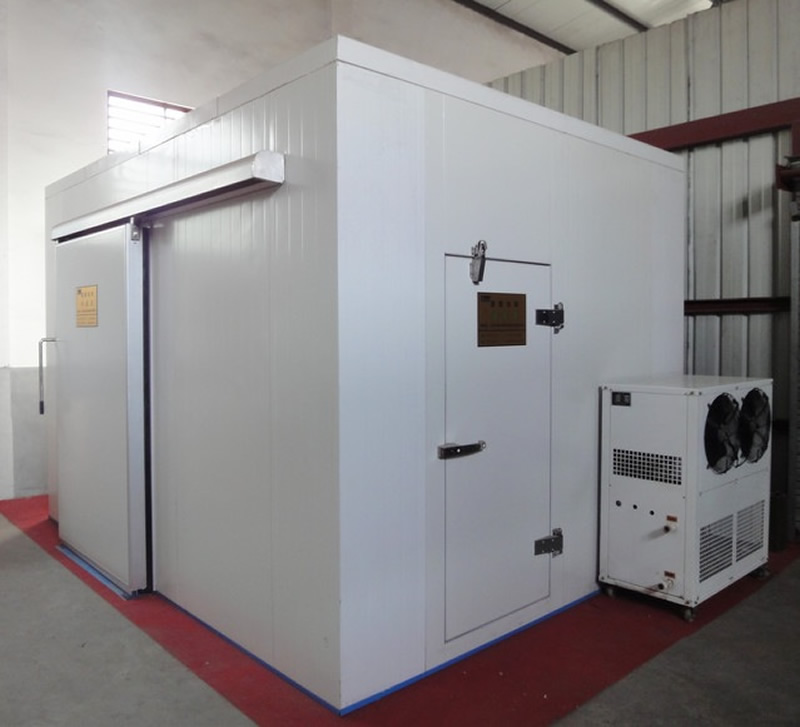
A cold room is a well-insulated, temperature-controlled storage space designed to keep food items fresh for extended periods without the use of conventional refrigeration. These rooms typically maintain a steady temperature between 32°F and 55°F (0°C to 13°C) and a higher humidity level—ideal for storing fruits, vegetables, wine, dairy products, and cured meats.
Depending on the design, a cold room can be entirely passive (using the earth’s natural temperature), semi-active (with ventilation systems), or fully active with refrigeration units. They’re often located in basements or other cool areas of the house to maximize energy efficiency.
Benefits of Installing a Cold Room
1. Extended Food Storage
Cold rooms provide ample space to store bulk groceries, seasonal harvests, and preserved foods. This is especially useful for families who grow their own produce, make homemade canned goods, or buy in bulk to save money.
2. Energy Efficiency
Compared to multiple refrigerators or freezers, a well-designed cold room can reduce your overall energy consumption. Passive or semi-passive systems, in particular, consume minimal electricity.
3. Emergency Preparedness
Having a cold room helps ensure that your household has a reserve of fresh and preserved foods during emergencies, power outages, or supply chain disruptions.
4. Added Home Value
While cold rooms aren’t yet mainstream, they can be an attractive feature for eco-conscious or self-sufficient buyers, particularly in rural or suburban areas.
5. Reduced Food Waste
Cold rooms help preserve the freshness of produce by extending shelf life, thereby minimizing spoilage and food waste. With organized shelving and a climate-controlled environment, it’s easier to keep track of what you have and use it efficiently.
Considerations Before Investing
1. Upfront Cost
Depending on size, design, and whether it’s a DIY or professional installation, building a cold room can cost anywhere from $2,000 to $10,000 or more. Costs include insulation, ventilation, shelving, and potentially refrigeration units.
2. Space Requirements
You’ll need a cool, dry, and preferably below-grade location—usually a basement or crawl space. Homes without these features may face structural or climate-related limitations.
3. Maintenance and Ventilation
Adequate ventilation is essential in cold rooms to prevent mold growth and ensure stable temperature and humidity conditions. Regular maintenance is essential to ensure food safety and long-term functionality.
4. Regional Climate Impact
The efficiency of a cold room can vary depending on your location. In cooler climates, passive or semi-passive cold rooms perform well year-round. In warmer areas, mechanical cooling may be necessary, increasing operational costs.
Is It Worth the Investment?
The answer depends on your lifestyle, space, and long-term goals. If you value sustainability, enjoy gardening, or buy and store food in bulk, a cold room could be a worthwhile addition. It’s also a smart move for those living off-grid or in rural areas where self-reliance is essential.
However, if you have limited space, live in a warm climate, or rely on minimal food storage, the investment may not yield significant benefits. In such cases, adding a high-efficiency refrigerator or a small cold room might be more practical.
Conclusion
A cold room can be a smart and sustainable investment for the right home and lifestyle. It offers food security, energy savings, and a unique feature that can add appeal and functionality to your property. As with any home improvement, careful planning and consideration of your household needs and budget will determine whether this cool storage solution is right for you.
