

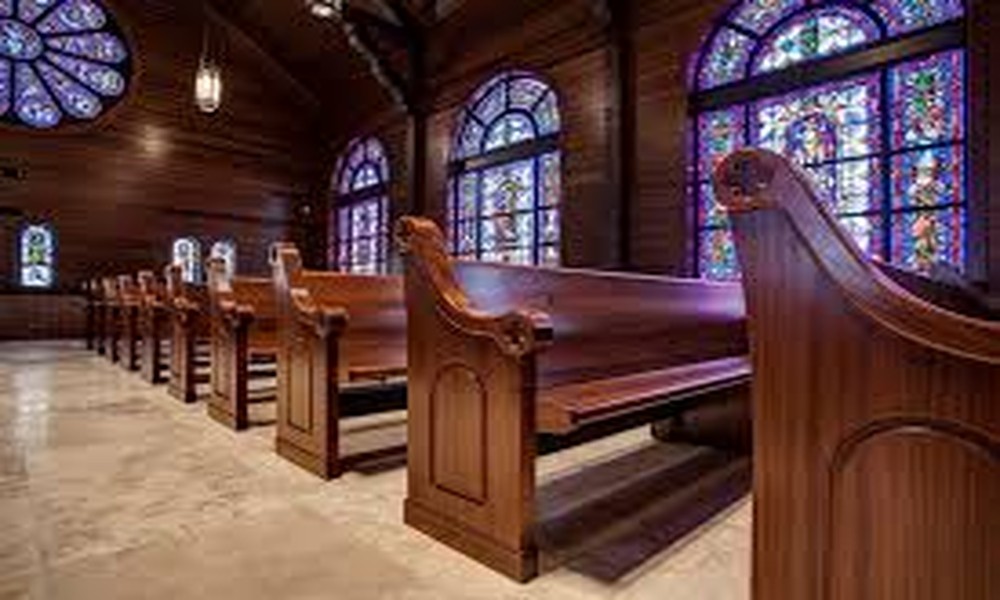
When a synagogue renovation or new build is on the horizon, the conversation almost always starts with seating. But experienced administrators and building committees quickly learn that synagogue furniture goes far beyond the benches and chairs filling the main floor. The bimah, and everything that belongs on it, deserves just as much thought, care, and planning as any other element of the sanctuary. Yet it often gets treated as an afterthought, squeezed into a budget that’s already been mostly allocated.
If your congregation is in the early stages of planning, or simply trying to better understand how the bimah functions as both a spiritual and architectural centerpiece, this guide is for you.
What Is a Bimah, and Why Does It Matter?
The bimah is the raised platform at the heart of Jewish worship. In Ashkenazi tradition, it is typically positioned in the center of the sanctuary or toward the front, depending on the movement and congregation. In Sephardic synagogues, the bimah is most often placed in the center of the room. In Reform synagogues, it is usually at the front, near the Aron Kodesh (Torah ark).
Regardless of placement, the bimah serves as the focal point from which the Torah is read, prayers are led, and the community gathers its attention during services. The furniture placed on it, or built into it, directly affects how services flow, how the leadership connects with the congregation, and how the entire sanctuary feels.
Getting the bimah furniture right is not just an aesthetic decision. It is a functional and spiritual one.
The Core Pieces of Bimah Furniture
Every bimah configuration is different, but most include some combination of the following pieces:
The Reading Table
This is perhaps the most important piece of furniture on the bimah. The Torah is placed here for reading during services. A reading table should be sized appropriately for the Torah scroll, sturdy enough to bear the weight of the scroll and its accessories, and designed to match the overall aesthetic of the bimah and sanctuary.
Unlike a church pulpit, which is used primarily for preaching and speaking, the reading table in a synagogue is designed around the Torah reading ritual. The height, angle, and surface area all matter. Some congregations prefer a flat surface; others choose a gently angled top to make the scroll easier to read. Custom options allow synagogues to specify dimensions, wood species, and finish to create a seamless look with surrounding furniture.
The Lectern
Many synagogues include a separate lectern on the bimah for the rabbi or cantor to use when leading prayers or speaking to the congregation. This piece is distinct from the reading table, though in some smaller sanctuaries, a single piece serves both functions.
A well-designed lectern provides a comfortable speaking height, enough surface area for books and notes, and a visual presence that commands attention without overpowering the space. Some synagogues choose a traditional, ornate style. Others prefer something cleaner and more contemporary.
Clergy and Cantor Seating
The seating on the bimah is often underestimated in terms of its visual impact. These chairs are visible to the entire congregation throughout the service. They communicate something about the congregation’s values, aesthetic sensibility, and level of investment in the space.
Grand rabbi chairs, cantor seating, and other clergy chairs should be chosen with both comfort and appearance in mind. Services can be long, and the clergy sitting on the bimah need seating that supports them properly. At the same time, these pieces are on display, so quality craftsmanship and intentional design are important.
Additional Bimah Furniture
Depending on the congregation and its customs, the bimah may also include:
- A Torah pointer holder or stand
- Flower stands or planters for holiday services
- Side tables for ritual objects
- A menorah stand or Hanukkiah display area for holidays
Each of these pieces, while secondary, contributes to the overall cohesion of the bimah.
Placement: Where Should the Bimah Be?
Bimah placement is one of the most debated topics in synagogue design. There is no universal answer, and the right choice depends on the congregation’s movement, traditions, and the architecture of the space.
Front Placement
Common in Reform and many Conservative congregations, placing the bimah at the front of the sanctuary creates a clear focal point and works well for congregations where the rabbi and cantor are the primary leaders of worship. This arrangement can also improve sightlines and acoustics when the Torah reading and service leadership happen from the same elevated area near the Aron Kodesh.
Center Placement
In Orthodox and some Conservative congregations, the bimah is placed in the center of the sanctuary. This placement reflects the communal nature of the Torah reading and creates a more immersive worship experience. It also distributes sightlines more evenly throughout the seating area, which is one reason some modern congregations are revisiting center placement even outside traditional Orthodox contexts.
Hybrid and Flexible Arrangements
Some modern synagogues are exploring hybrid bimah placements, particularly in newer buildings designed to serve multiple community functions. This might involve a movable reading table used in different areas of the sanctuary depending on the service type or holiday. However, most congregations find that a permanent, architecturally anchored bimah creates the sense of stability and sanctity that worship spaces benefit from.
Design Considerations for a Modern Synagogue
Modern synagogues are navigating a genuine tension: how do you honor tradition while creating a space that feels alive and welcoming to younger generations? Bimah furniture sits right at the center of that question.
Matching the Aron Kodesh
The Aron Kodesh (Torah ark) is almost always the visual anchor of the sanctuary. Whatever style and finish is chosen for the ark should be a guiding reference point for the rest of the bimah furniture. A rich, dark walnut ark paired with bimah furniture in a clashing light maple finish, for example, will fragment the visual experience rather than unify it.
When commissioning custom bimah furniture, work with a manufacturer who understands the importance of finish matching and can help you achieve a cohesive look across all the pieces.
Wood Species and Finish
The wood species you choose sets the tone for the entire bimah. Here are a few common options and how they read visually:
- Oak is durable, widely available, and works in both traditional and transitional settings. It stains predictably and holds up well over time in high-use environments.
- Cherry develops a rich patina over time and tends to feel warmer and more formal. It is a popular choice for synagogues aiming for an elegant, traditional aesthetic.
- Maple is lighter in color and reads as more contemporary. It works well in modern or minimalist sanctuary designs.
- Walnut has a deep, dramatic grain and is often chosen for high-visibility pieces like the reading table and Aron Kodesh when a strong design statement is the goal.
Custom manufacturers can work with you on stain options and finish sheens to make sure the final result aligns with the overall sanctuary design.
Proportions and Scale
One of the most common mistakes in bimah furniture design is getting the proportions wrong. A reading table that is too small will look out of place on a large bimah. Oversized clergy chairs in a modest sanctuary can make the space feel off-balance. Scale everything to the actual dimensions of the bimah platform and the sanctuary as a whole before finalizing any order.
This is where working with an experienced furniture manufacturer, one with a background in synagogue and church spaces specifically, makes a real difference. They bring an understanding of spatial relationships and liturgical function that a general woodworker simply may not have.
Accessibility on the Bimah
An often-overlooked aspect of bimah design is accessibility. As congregations become more intentional about inclusive worship, the bimah needs to be accessible to clergy and lay leaders with mobility challenges. This may mean incorporating a ramp rather than steps, ensuring that the reading table height works for a seated reader, or selecting clergy seating that is easier to enter and exit.
These considerations should be part of the conversation from the beginning of any renovation or new build project, not added as an afterthought once the design is nearly finalized.
Working With the Right Partner
Planning bimah furniture involves more decisions than most committees anticipate. Wood species, finish, proportions, placement, accessibility, and coordination with the Aron Kodesh and broader sanctuary design all require careful attention.
Working with a manufacturer who specializes in synagogue and church furniture, who understands the liturgical meaning behind each piece and has experience coordinating custom projects from design through installation, makes the process significantly smoother.
New Holland Church Furniture has been crafting custom worship furnishings since 1950. With deep expertise in both church and synagogue furniture, their team can guide congregations through every stage of the design and planning process, helping committees make confident decisions and achieve a finished result that honors the space and the community it serves.
The bimah is more than a stage. It is the place where your congregation’s most sacred moments happen, week after week and year after year. The furniture on it deserves the same thoughtfulness and craftsmanship you would bring to any other aspect of your worship space. Take your time, ask the right questions, and choose pieces that will serve your congregation with dignity for generations to come.
