

Nothing tests an air conditioning system quite like the height of summer. As temperatures climb, your HVAC system works longer hours to keep your home comfortable, making this the season when unexpected breakdowns are most likely to happen. While some equipment failures are simply the result of age, many mid-summer problems stem from everyday habits that place unnecessary stress on the system.
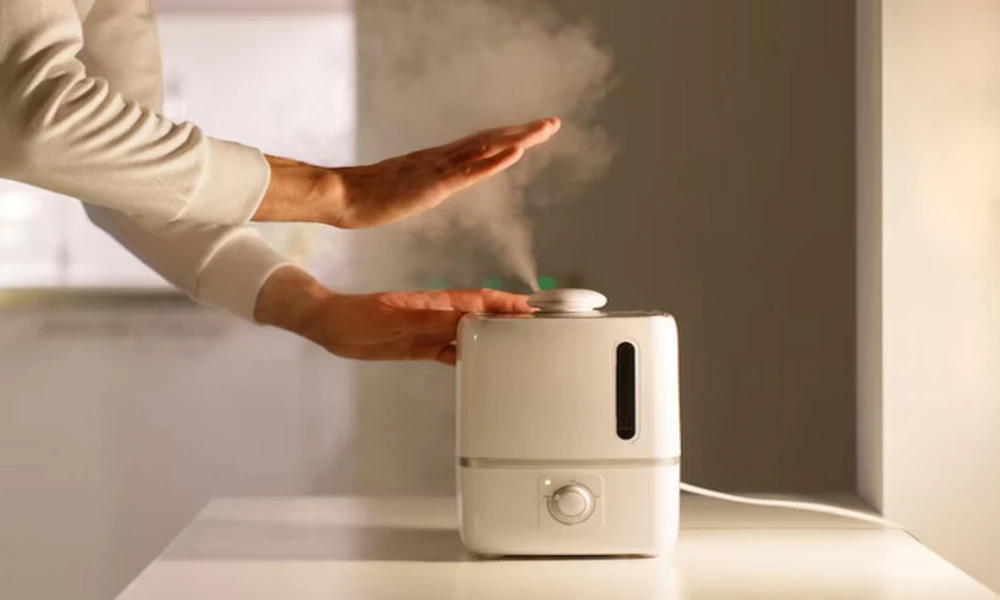
Preventive maintenance and smart cooling practices can make a significant difference in both performance and reliability. While many homeowners focus only on lowering indoor temperatures, maintaining healthy indoor air conditions also matters. Learning about humidifiers for dry indoor air can help you better understand how overall indoor comfort depends on balancing both temperature and humidity. Combined with proper HVAC care, these steps can help reduce unnecessary strain on your system throughout the cooling season.
Skipping Preventive Maintenance
One of the biggest mistakes homeowners make is waiting until something goes wrong before calling an HVAC technician. Air conditioners require regular maintenance to continue operating efficiently, especially before periods of heavy use.
A professional tune-up typically includes cleaning coils, checking refrigerant levels, inspecting electrical components, testing airflow, and ensuring moving parts are functioning correctly. Catching worn components early often prevents larger mechanical failures during the hottest days of the year.
Routine maintenance also helps improve energy efficiency, allowing the system to cool your home while using less electricity.
Forgetting to Replace the Air Filter
Air filters play a vital role in protecting both your HVAC equipment and your indoor air quality. Over time, filters collect dust, pollen, pet dander, and other airborne particles. When they become clogged, airflow throughout the system is restricted.
Reduced airflow forces the air conditioner to work harder to deliver the same level of cooling. This additional workload increases energy consumption and puts greater strain on essential components like the blower motor and compressor.
Checking your filter every month during summer and replacing it when needed is one of the simplest ways to improve system performance.
Setting the Thermostat Too Low
Many homeowners mistakenly believe lowering the thermostat dramatically will cool the house faster. In reality, central air conditioning systems cool at a consistent rate regardless of how low the temperature is set.
When the thermostat is adjusted much lower than necessary, the unit simply runs longer. Extended operating times increase wear on mechanical parts and lead to higher utility bills without improving cooling speed.
Maintaining a consistent, comfortable temperature helps reduce unnecessary stress on your HVAC system while improving energy efficiency.
Blocking Air Vents
Furniture, curtains, storage boxes, or decorative items placed in front of supply or return vents may seem harmless, but they interfere with proper airflow throughout the home.
When conditioned air cannot circulate freely, certain rooms may become warmer while others remain cool. The HVAC system compensates by running longer cycles, placing extra strain on its components.
Keeping vents clear allows cool air to move efficiently throughout the house and helps maintain balanced temperatures in every room.
Ignoring the Outdoor Condenser Unit
The outdoor condenser plays a critical role in releasing heat removed from inside your home. Because it sits outside year-round, it is constantly exposed to dirt, leaves, grass clippings, and overgrown vegetation.
When airflow around the condenser becomes restricted, the unit must work much harder to remove heat effectively. This added workload can increase operating temperatures, reduce efficiency, and shorten the lifespan of important components.
Inspect the outdoor unit regularly and maintain at least two feet of open space around it to ensure unrestricted airflow.
Letting Heat Build Up Indoors
Air conditioners can only do so much when homes continuously absorb heat from outside. Leaving blinds open during sunny afternoons, failing to seal air leaks, or using heat-generating appliances during the hottest part of the day all increase the workload placed on your cooling system.
Simple adjustments such as closing curtains during peak sunlight, using ceiling fans, improving insulation, and running ovens or dryers during the evening can significantly reduce indoor heat gain.
These habits allow your air conditioner to maintain comfortable temperatures more efficiently.
Overlooking Early Warning Signs
Most air conditioning systems provide warning signs before experiencing a complete breakdown. Unusual noises, weak airflow, inconsistent cooling, unpleasant odors, or unexpectedly high utility bills often indicate developing problems.
Ignoring these symptoms usually allows relatively minor issues to worsen over time. Addressing problems early often results in less expensive repairs and helps prevent emergency service calls during extreme summer weather.
Being proactive is almost always more affordable than waiting for the system to fail completely.
Closing Too Many Interior Doors
Many modern HVAC systems are designed to circulate air evenly throughout the home. Closing multiple interior doors disrupts this airflow and changes air pressure inside the ductwork.
The result is uneven cooling, longer operating cycles, and increased strain on the blower and other mechanical components.
Whenever possible, leave interior doors open to promote balanced airflow and improve overall system performance.
Running the System Around the Clock
During periods of extreme heat, it’s tempting to let the air conditioner run continuously. While HVAC systems are designed for extended use, nonstop operation increases wear on compressors, fans, and electrical components.
Reducing the cooling load can help the system cycle more naturally. Keeping windows closed, using programmable thermostats, limiting indoor heat sources, and improving insulation all help reduce how hard the system must work.
These simple practices not only protect your equipment but can also lower monthly energy costs.
Delaying Replacement of an Aging System
Even with excellent maintenance, every air conditioner eventually reaches the end of its useful life. Older units often require more frequent repairs, consume more electricity, and struggle to maintain consistent indoor comfort during peak summer temperatures.
If repair costs continue to increase or your system frequently breaks down, replacing it with a newer energy-efficient model may offer better long-term value.
Today’s HVAC systems provide improved efficiency, quieter operation, and enhanced comfort while reducing overall operating expenses.
Final Thoughts
Many mid-summer air conditioning breakdowns are preventable. Routine maintenance, clean air filters, unrestricted airflow, and paying attention to early warning signs all help reduce unnecessary stress on your cooling system.
By adopting smart cooling habits and addressing small issues before they become major repairs, homeowners can enjoy reliable comfort throughout the hottest months of the year. A little preventive care today can help keep your air conditioner running efficiently, lower energy costs, and minimize the chances of an unexpected breakdown when you need cool air the most.
