

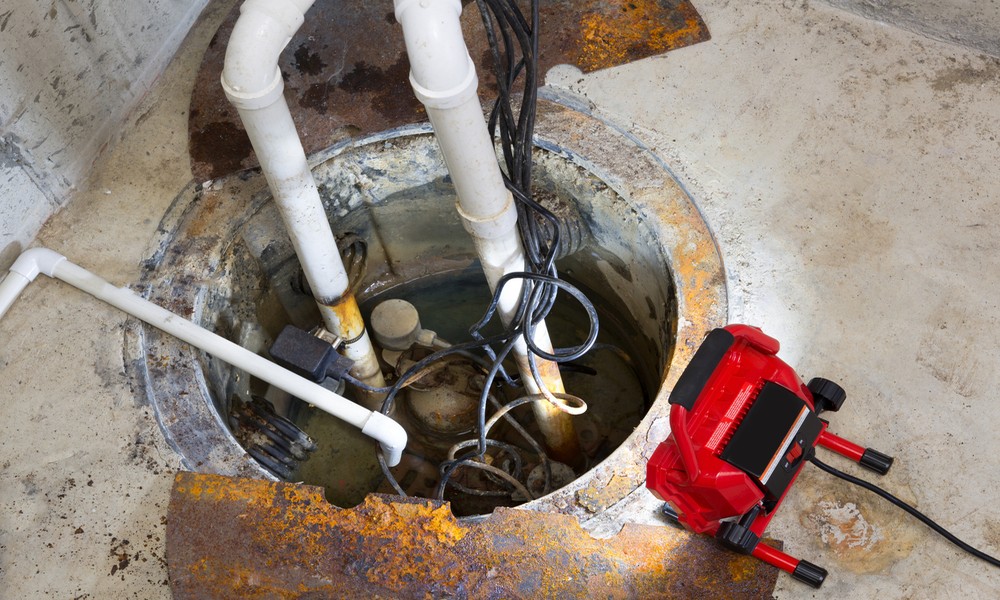
A blocked drain or overflowing toilet can quickly turn a peaceful home into a scene of frustration and potential damage. Many homeowners only think about their plumbing when something goes wrong, yet drain and sewer issues rank among the most common household problems, often leading to costly repairs if left unaddressed. From slow-draining sinks to unpleasant odours seeping into living spaces, these troubles can affect comfort, hygiene, and even the structural integrity of your property.
In older homes or those with mature gardens, the risks increase due to everyday habits and external factors like tree roots. Recognising the early signs and adopting simple preventive measures can save significant time, money, and stress. A reliable drain sewer service proves invaluable when professional intervention becomes necessary, ensuring issues are resolved efficiently without unnecessary disruption.
Understanding Common Drain and Sewer Problems
Drain and sewer systems quietly manage wastewater from sinks, showers, toilets, and appliances, transporting it away from the home. When blockages or damage occur, the consequences range from minor inconveniences to major health hazards.
One frequent culprit is the gradual buildup of materials in pipes. In kitchens, fats, oils, and grease (often called FOG) solidify as they cool, trapping food particles and creating stubborn clogs. Bathrooms commonly suffer from accumulations of hair, soap scum, and toothpaste residue that narrow pipe diameters over time. Flushing items that seem harmless-such as wet wipes, cotton buds, or excessive toilet paper-can exacerbate these problems, as they do not break down easily in water.
Tree root intrusion represents another widespread issue, particularly in properties with established landscaping. Roots seek out moisture and nutrients, infiltrating tiny cracks or joints in sewer lines and expanding to cause blockages or even pipe fractures. Shifting soil, corrosion in ageing pipes, and heavy rainfall overwhelming the system can also contribute to backups, where wastewater reverses direction and enters the home through the lowest drains.
Recognising the Warning Signs
Early detection allows for timely action before minor annoyances escalate into emergencies. Paying attention to subtle changes in your plumbing behaviour can make all the difference.
Slow drainage in multiple fixtures often signals a developing blockage further down the line rather than an isolated problem. Gurgling or bubbling sounds when flushing the toilet or running water indicate trapped air caused by restrictions in the pipes. Unpleasant sewer-like odours emerging from drains, even after cleaning, suggest possible leaks, dry traps, or ventilation issues allowing gases to escape.
Other red flags include frequent clogs requiring repeated plunging, water backing up in the shower when the toilet is flushed, or unexplained wet patches in the garden that appear unusually lush and green. In severe cases, sewage may appear in basement floor drains or around the base of toilets. Ignoring these symptoms risks water damage, mould growth, and exposure to harmful bacteria.
Preventive Measures to Protect Your Plumbing
Maintaining a healthy drain and sewer system relies largely on mindful daily habits and occasional professional oversight. Prevention is far more straightforward-and less expensive-than dealing with a full-scale backup.
Here are key steps every homeowner can take:
- Dispose of grease properly: Allow fats, oils, and grease to cool and solidify in a container before binning them. Never pour them down the sink, even with hot water and detergent, as they will congeal further along the pipes.
- Use drain strainers and hair catchers: Install simple mesh screens in sinks and showers to catch food scraps, hair, and debris before they enter the plumbing.
- Flush responsibly: Stick to the “three Ps” rule-pee, poo, and toilet paper only. Avoid flushing wipes, sanitary products, cotton buds, or any non-biodegradable items.
- Maintain your kitchen disposal: Scrape plates thoroughly before washing and avoid overloading the unit with fibrous foods like celery or potato peelings.
- Rinse drains regularly: Once a week, pour a kettle of boiling water down sinks (avoid this with PVC pipes if unsure) or use a natural mixture of baking soda and vinegar followed by hot water to help dissolve minor soap and grease buildup.
- Be mindful of landscaping: Plant trees and shrubs at least 10 feet away from known sewer line locations. If mature trees already exist nearby, schedule periodic inspections to monitor root activity.
- Schedule professional maintenance: Consider having your main sewer line inspected or cleaned every few years, especially in older properties, to catch hidden issues early.
These straightforward practices significantly reduce the likelihood of emergencies and keep your system functioning smoothly for longer.
When to Call in the Professionals
While many minor clogs respond to plungers or over-the-counter remedies, certain situations demand expert attention. Persistent slow drains affecting several fixtures, recurring backups, or foul odours that cleaning cannot eliminate usually point to problems in the main sewer line.
Professionals use specialised tools such as drain cameras for internal inspections and hydro-jetting equipment to thoroughly clear stubborn blockages without damaging pipes. In cases of root intrusion or pipe damage, they can recommend appropriate repairs, from spot fixes to full relining or replacement. Attempting complex interventions yourself risks worsening the issue or causing injury.
A trusted drain sewer service can diagnose the root cause accurately, provide lasting solutions, and offer advice tailored to your home’s specific setup. Addressing problems promptly not only restores normal function but also prevents secondary damage such as flooding, mould, or compromised foundations.
Conclusion
Keeping your home safe from common drain and sewer issues requires a combination of awareness, consistent habits, and timely professional support. By understanding how these systems work and recognising warning signs early, you can avoid the inconvenience and expense of major disruptions. Simple changes in daily routines-such as proper waste disposal and regular rinsing-go a long way towards extending the life of your plumbing.
Ultimately, a proactive approach fosters peace of mind and protects one of the most essential yet often overlooked aspects of your home. Whether through preventive care or swift intervention when needed, maintaining clear and efficient drainage contributes to a healthier, more comfortable living environment for you and your family.
