

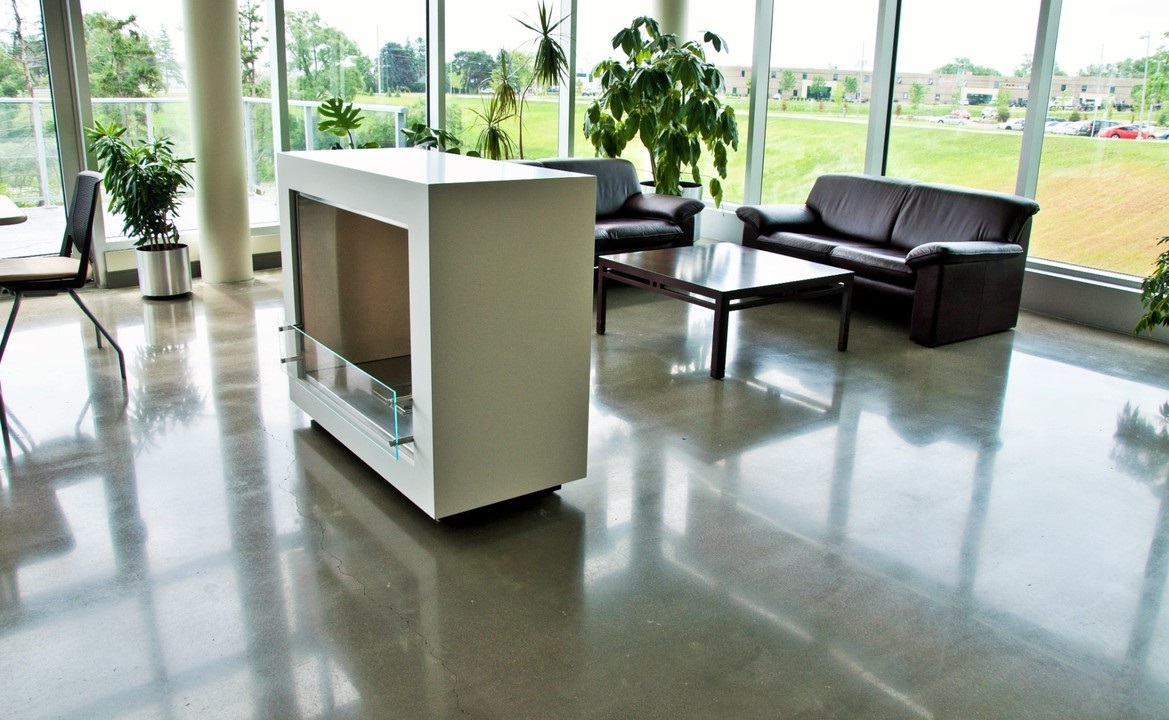
Concrete polishing surfaces have become a sustainable and innovative alternative for contemporary architecture and construction in the environmentally concerned age. The need for the globe to lessen its environmental impact is pressing the building and architectural sectors to use creative methods that support sustainability objectives. Concrete polishing services turn ordinary concrete slabs into smooth, strong, and visually appealing surfaces, which is a major step in the right path. This approach accepts low-maintenance qualities and energy-efficient procedures in addition to maximizing the reuse of current materials, which reduces the requirement for new resources.
Concrete polishing is an excellent illustration of how environmentally conscious methods may coexist peacefully with modern architecture in the face of today’s pressing environmental issues.
Commercial polished concrete surfaces offer a range of environmental benefits, aligning with sustainable practices in today’s construction and design landscape. A few of them are listed below:
Longevity and Durability:
One of the most notable qualities of a concrete polishing surface is how long it lasts, which makes it a very popular and environmentally friendly flooring choice. Polished concrete floors are well known for their extraordinary toughness and resilience; they can survive prolonged wear, abrasion, and heavy foot traffic. As opposed to certain conventional flooring materials that may deteriorate or exhibit wear indicators rather rapidly, polished concrete keeps its integrity and aesthetic appeal over time. This longer lifespan lessens the environmental effect of making, shipping, and installing new flooring materials in addition to lowering the need for frequent replacements. Therefore, concrete polishing surfaces’ durability greatly adds to their sustainability, making them a sensible and ecologically friendly option for a variety of residential, commercial, and industrial applications.
Reduced Material Consumption:
Concrete polishing surfaces are an example of a sustainable approach to design and construction, as they help reduce material usage. In contrast to many flooring alternatives that call for extra supplies like carpets, tiles, or laminates, polished concrete utilizes the pre-existing concrete slab. By repurposing the substrate, the requirement for new resources is reduced, resulting in less raw material extraction and a less environmental effect from the manufacture of new materials. The procedure removes the need for extra layers or coverings by turning the original concrete into a polished, aesthetically beautiful surface. Because of this decrease in material consumption, polished concrete is an environmentally responsible option in today’s building sector. It also supports effective resource usage and waste reduction. All of these benefits are consistent with sustainable practices.
Energy Efficiency:
Concrete polishing surfaces are very energy-efficient, which adds to their design and construction sustainability. In comparison to the manufacturing and installation of some conventional flooring materials, including carpet or vinyl, polishing itself uses less energy. Compared to manufacturing methods that require high heat or intensive chemical treatments, diamond abrasives, which are used in mechanical grinding and polishing of the concrete surface, utilize less energy. Moreover, polished concrete’s reflective qualities draw attention to natural illumination in a room and lessen the need for artificial lighting during the day. Concrete polishing is an environmentally responsible option since it emphasizes both improved natural illumination and energy-efficient production methods. This decision is in line with current initiatives to promote sustainable construction practices and lower energy usage.
Low Maintenance Requirements:
Concrete polishing surfaces have many benefits, one of which is their low maintenance needs, which support environmental sustainability and economic efficiency. Because polished concrete floors are naturally stain-, spill-, and surface-resistant, they require less regular cleaning and upkeep. Improved indoor air quality is facilitated by the smooth, non-porous surface of polished concrete, which prevents the buildup of allergies and grime. In contrast to some flooring materials, polished concrete usually just needs occasional dusting or damp mopping to keep its appearance. Other flooring materials may need frequent sealing, waxing, or the use of harsh cleaning agents. The low maintenance requirements reduce the environmental impact of cleaning chemical manufacture, shipping, and disposal in addition to cleaning costs. This feature presents polished concrete as a useful, low-impact flooring option that fits with modern demands for hassle-free, ecologically friendly living and working environments as well as sustainable activities.
Better Indoor Air Quality:
By reducing the amount of allergens and pollutants present, polished concrete floors help create a healthier indoor atmosphere. Polished concrete does not create an atmosphere that is favourable for dust mites, mildew, or other allergens, unlike carpets, which can harbour these potential irritants. This flooring choice promotes better indoor air quality, giving residents a healthier place to live or work.
Thermal Mass and Energy Efficiency:
Polished concrete floors are a great option for passive heating and cooling systems due to the natural thermal mass of concrete. Heat is absorbed and retained by polished concrete, which then gradually releases the heat. By assisting in temperature regulation, this natural thermal mass helps cut down on the need for excessive heating or cooling. Polished concrete helps to support passive energy efficiency, which lowers energy consumption and, in turn, reduces carbon emissions.
Non-Toxic Material:
Polished concrete doesn’t release any hazardous volatile organic compounds (VOCs), making it a non-toxic flooring choice. Conventional flooring materials can contribute to indoor air pollution by releasing volatile organic compounds (VOCs) into the air, such as some carpets and adhesives. This worry is removed when polished concrete floors are used, improving indoor air quality and supporting sustainable building techniques that put occupant well-being first.
Recyclability and Reusability:
Concrete is a highly recyclable substance that can be recycled, and doing so uses less energy than making new concrete. This makes concrete both recyclable and reusable. Crushed concrete from polished floors can be used as an aggregate for new concrete projects in the event of demolition or renovation. This closed-loop method reduces the environmental effect of disposal, promoting a more sustainable and circular building cycle.
In conclusion, polished concrete floors are an environmentally friendly option for modern building methods since their advantages go well beyond their visual attractiveness. Industrial polished concrete is consistent with sustainable and environmentally friendly building practices for industrial spaces ; it enhances indoor air quality, reduces material consumption, and supports recyclability. Embracing polished concrete surfaces appears as a responsible step towards a greener and more sustainable future, in addition to being a practical and lasting flooring option, as society continues to prioritize environmentally conscious choices. By selecting polished concrete, we promote a harmonious balance between human requirements and environmental preservation, extending the life of our buildings and improving the health of our world. Top of Form
