

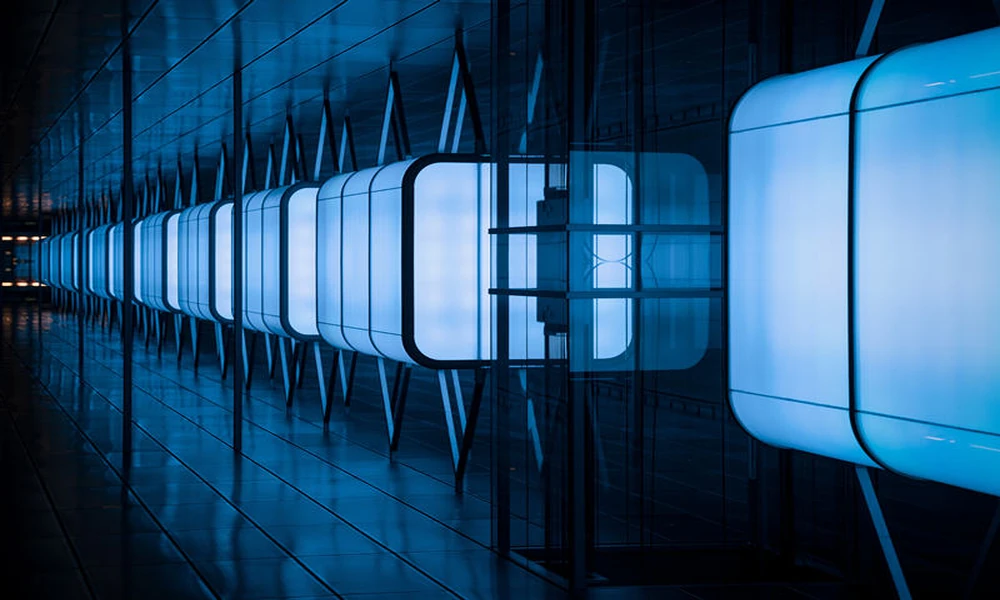
Flick a switch, and suddenly a room transforms, the right lighting can make colors pop, create comfort, and even boost productivity. Yet, the difference between average and outstanding lighting goes far beyond brightness alone.
Understanding Quality Lighting: Why It Matters
The Impact of Good Lighting on Spaces and Mood
Quality lighting is more than illumination. It shapes how we experience space, influences focus, and can subtly shift our emotional well-being. A warmly lit living room invites relaxation, while crisp, cool lighting in an office helps keep minds sharp. Architects and designers often consider lighting as vital as layout or furniture in setting a mood.
Common Pitfalls in Poor Lighting Choices
On the flip side, poor lighting choices can make even beautifully designed spaces feel cold, headache-inducing, or simply uninspiring. Overly harsh bulbs, mismatched color temperatures, and uneven placement can result in glare, shadowy corners, and eye strain.
Case Study: Transforming a Living Room with Thoughtful Lighting
Consider a typical living room with a single overhead fixture. Replace that with layers, table lamps, recessed lighting, and adjustable accent lights, and the same room feels spacious, inviting, and versatile for any activity.
Key Features to Evaluate in Lighting Solutions
Light Quality: Color Temperature and CRI Explained
Not all light is created equal. Two crucial terms to know are color temperature (measured in Kelvins) and Color Rendering Index (CRI). Warm lights (2700K-3000K) mimic the cozy glow of sunset, great for homes and restaurants, while cooler tones (4000K-5000K) suit offices and task areas. CRI measures how accurately a light source reveals colors. A high CRI (above 80) is best for spaces where true color matters, such as art studios or retail.
Energy Efficiency and Sustainability Considerations
Modern lighting solutions should help you save energy and reduce your carbon footprint. LEDs dominate here, offering longer lifespans and consuming up to 75% less energy than traditional bulbs. Look for certifications like ENERGY STAR and check for recyclable or low-impact materials.
Durability and Build Quality: Materials That Matter
A quality fixture feels solid and is built to last. Stainless steel, aluminum, and glass often outperform cheaper plastics in durability and style. Pay attention to warranties, longer coverage is often a sign of confidence in craftsmanship.
Versatility and Adjustability in Lighting Fixtures
The best lighting solutions adapt to your needs. Fixtures with dimming capabilities, adjustable arms, or multiple mounting options can transition a room from work to relaxation seamlessly.
Case Study: Comparing LED vs. Traditional Bulbs in Office Settings
| Feature | LED Bulbs | Traditional Bulbs |
|———————–|————–|——————|
| Lifespan (hours) | 25,000+ | 1,000-2,000 |
| Energy Use (watts) | 8-12 | 60-75 |
| Heat Output | Low | High |
| Maintenance Needed | Minimal | Frequent |
| Upfront Cost | Higher | Lower |
The numbers speak volumes, LEDs offer major savings and less hassle, especially for larger spaces.
Matching Lighting Solutions to Different Environments
Residential Lighting Needs and Ideal Features
Homes benefit from flexible solutions. Dimmer switches, layered lighting (ambient, task, accent), and bulbs with adjustable color temperatures allow for personalized comfort and style.
Commercial and Office Lighting: Balancing Efficiency with Comfort
In offices, glare-proof fixtures, consistent color temperatures, and energy-saving automation are key. The goal: reduce eye fatigue, lower costs, and create a productive atmosphere.
Specialized Lighting for Art, Retail, and Hospitality Spaces
Museums and boutiques require high-CRI lighting that flatters artwork and merchandise. Hotels often utilize layered fixtures (sconces, pendants, and floor lamps) to provide both visual interest and a sense of welcome.
Case Study: How a Boutique Hotel Enhanced Ambiance Through Layered Lighting
A boutique hotel in Montreal revamped its lobby, introducing pendant lights, wall sconces, and floor lamps on separate circuits. The result was remarkable, guests lingered longer, the space felt more luxurious, and reviews specifically praised the inviting ambience.
Innovations Shaping Modern Lighting Solutions
Smart Lighting Systems and Automation Benefits
Smart bulbs and fixtures, controllable via apps or voice assistants, make it easy to program schedules or shift mood with a tap. They offer convenience and energy savings by ensuring lights are only used when needed.
Integration with Home and Building Management Systems
Modern systems can sync lighting with security, HVAC, and other building controls, providing seamless automation and improved efficiency, critical for large homes or commercial spaces.
Advances in Eco-friendly and Low-impact Lighting Technologies
Manufacturers now prioritize eco-friendly production methods and recyclable components. Some even incorporate solar-powered features or biodegradable materials.
Case Study: Smart Lighting Implementation in a Sustainable Home
A homeowner implemented Wi-Fi-enabled LED fixtures synced with daylight sensors and remote controls, reducing overall energy usage by more than 30% within a year while enjoying customizable ambiance.
Practical Tips for Selecting and Installing Quality Lighting
Assessing your space’s unique needs, including room size, function, and natural light, is step one. Select fixtures suited to each area, pendants for kitchens, sconces for hallways, and dimmable LEDs for bedrooms. Professional installation ensures safety and optimal placement, but some smart systems are easy enough for confident DIYers. Experts suggest that consulting resources such as Avant-Scene lighting can provide valuable guidance and inspiration when tackling challenging projects.
Maintenance and Longevity of Lighting Installations
Routine dusting, checking connections, and replacing bulbs promptly preserve both appearance and performance. Troubleshoot issues like flickering by examining wiring and using compatible dimmers. Upgrading outdated systems to LED or smart options often pays for itself in energy and maintenance savings over time.
Final Thoughts: Investing in Lighting That Lasts
Finding the right lighting is a balance between cost, durability, and style. Smart, energy-efficient fixtures may cost more up front, but the long-term savings and enhanced living experience are hard to ignore. Stay mindful of emerging trends such as automation and eco-friendly designs, they set the stage for future upgrades. Ultimately, every carefully chosen bulb or fixture is an investment in comfort and quality that will brighten your world for years to come.
